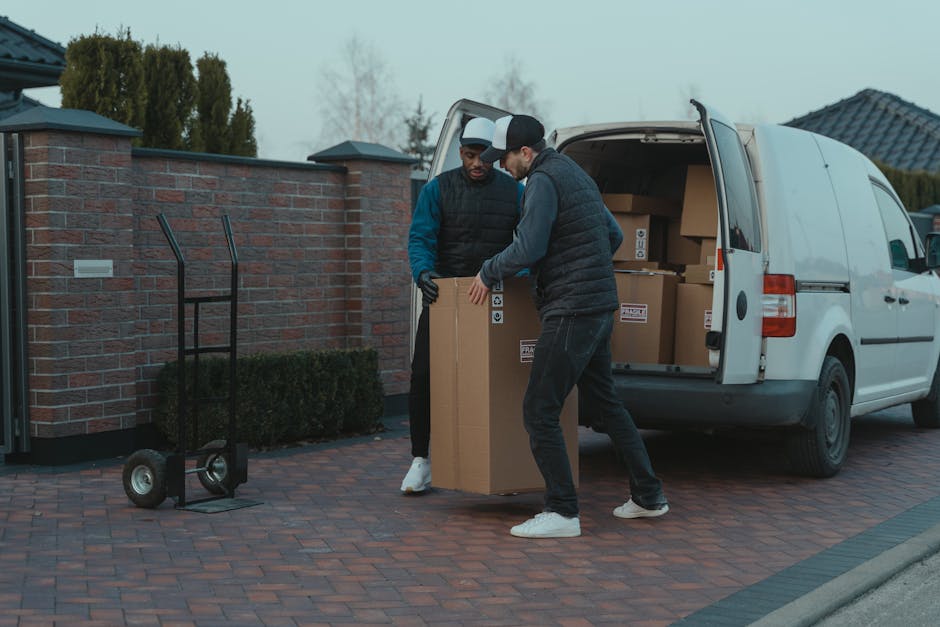
Clapham Road man with van tips for flat moves in Stockwell
If you are moving from a flat near Clapham Road, chances are the day will be tighter than it looks on paper. Stairs, narrow entrances, awkward parking, and one forgotten box can turn a simple move into a long afternoon. That is exactly why Clapham Road man with van tips for flat moves in Stockwell matter: they help you make smart decisions before the van arrives, so the move feels calm rather than chaotic.
This guide is built for real-life flat moves in Stockwell. Whether you are leaving a studio, a top-floor flat, or a small shared place with a lot more stuff than you expected, you will find practical steps here on access, packing, parking, loading order, timing, and what to ask before you book. It is not glamorous, let's face it, but good planning saves money and stress.
For readers who want a simple starting point, a local man with van service can be a practical fit for smaller flat moves, furniture runs, and short-distance relocations around Stockwell and the surrounding streets.
Why Clapham Road man with van tips for flat moves in Stockwell Matters
Flat moves in this part of London often look straightforward on a map and then become oddly fiddly in practice. Clapham Road sits in a busy corridor with traffic, bus routes, side streets, and the usual London mix of limited stopping space and people coming and going all day. Stockwell flats can be just as challenging, especially where entrances are tight or parking is not right outside the door.
That is why a man and van approach can work so well. It is flexible. It suits smaller loads. It can be much easier to book than a larger removal operation when you only need a van, a careful driver, and a bit of loading help. If you are moving one bedroom's worth of belongings, or a small flat with a few bulky items, using a local man and van setup often makes more sense than overcommitting to a bigger vehicle.
What really matters is not just the vehicle. It is how the move is planned. In our experience, the smoothest flat moves are the ones where the person booking has already thought through access, item size, and whether there is a lift that actually works. That sounds basic, but people forget it all the time. Then the mattress arrives before the hallway has been cleared. Not ideal.
Think of the job in three parts: getting the van close enough, getting the items out safely, and getting everything back into the new flat without damaging walls, corners, or your patience. A decent plan reduces the risk of delays, extra labour, and those small frustrations that make a move feel twice as hard as it should.
How Clapham Road man with van tips for flat moves in Stockwell Works
A local flat move usually follows a simple pattern. You request a quote, explain what needs moving, confirm access details, and agree a time slot. On the day, the driver or mover arrives with the van, assesses the load, and helps move items from the property to the vehicle. For short local jobs, the process is often refreshingly direct.
The best results come when you are precise. Saying "a few boxes" is not the same as saying "ten boxes, a dismantled bed, a desk, two chairs, and a washing machine." The more accurate your description, the more accurately the job can be planned. If you need a bigger vehicle or want a slightly more hands-on crew, looking at man with van removal options may be a better fit than a basic pick-up job.
Good movers also think about sequencing. Heavy items go in first. Fragile pieces are protected. Loose items are packed so they do not bounce around. The route to the van is kept clear where possible. It is simple, but it saves a lot of grief.
For flat moves, timing matters too. Early mornings can be quieter on the road, but may be awkward if neighbours are still asleep and you need careful loading. Mid-morning sometimes feels easier for building access, yet traffic can build up. Truth be told, there is no perfect hour in London, only the least inconvenient one.
Key Benefits and Practical Advantages
Using a local man with van service for a Stockwell flat move has some clear advantages, especially when you are moving a modest amount and need to stay flexible.
- Better value for smaller loads: You avoid paying for a vehicle size you do not need.
- Flexible timing: Local jobs can often be scheduled with less fuss than full removals.
- More practical for tight streets: Smaller vans can be easier to position near flat entrances.
- Less wasted time: If the move is well prepared, loading and unloading can be surprisingly fast.
- Good for mixed jobs: Perfect if you need furniture pick-up, a flat move, or a few items moved in one trip.
If you are comparing services, the wording can be confusing. Some people search for man with a van, others want a broader removal services option. The difference often comes down to scale: a man with van is usually ideal for smaller moves, while a removal service may suit more complex, larger, or fully packed relocations.
There is also a human benefit that gets overlooked. A smaller move is often less intimidating when handled by someone used to local streets and apartment access. You feel less like you are organising a production and more like you are solving a practical problem. Which, really, is what a flat move should be.
Who This Is For and When It Makes Sense
This kind of move is a strong option for tenants, students, young professionals, flat sharers, landlords arranging access, and anyone moving a small household's worth of items across Stockwell, Clapham Road, or nearby parts of South London. It can also work well if you are moving between flats with only a short distance between addresses. Short hops are where this type of service really shines.
It tends to make sense if you have:
- a studio or one-bedroom flat
- furniture that can be dismantled or carried by two people
- a move that does not require a large team
- only a few fragile items and some boxes
- a need for speed, flexibility, and local knowledge
It may be less suitable if you are moving a whole house's worth of furniture, need packing from scratch, or have many heavy appliances. In that case, a broader house removals service or even home moves support might be more comfortable and practical.
A quick rule of thumb: if you can picture the entire move fitting into one or two well-planned van trips, you are probably in the right territory.
Step-by-Step Guidance
Here is the part that saves most of the stress. Follow the move in stages, not as one huge last-minute scramble.
- List everything you are moving. Include furniture, appliances, boxes, plants, and anything awkward like mirrors or bikes.
- Measure bulky items. A sofa that looks manageable in the lounge can become a nightmare in a narrow hallway.
- Check access at both addresses. Note stairs, lifts, door widths, permits, and whether the van can stop nearby.
- Book the right service level. Decide whether you need a simple move, loading help, or a more complete movers style service.
- Pack room by room. Label boxes clearly so the unloading side does not turn into a guessing game.
- Protect fragile items early. Use blankets, bubble wrap, sturdy tape, and strong boxes. The cheap box that collapses is never the one you expect.
- Prepare the route. Clear the path from flat to front door and keep key items separated from general clutter.
- Load in the right order. Heavy and sturdy items first, delicate items last, with straps or padding where needed.
- Do a final sweep. Check cupboards, bathrooms, behind doors, and under beds. People leave chargers everywhere.
If the property has awkward access, a lift that is out of action, or a long carry from the van, tell the mover before the day. That one detail changes everything. If the job needs more handling support, a moving van arranged with the right help is much better than underestimating the workload and rushing later.
Expert Tips for Better Results
Here are the practical details that experienced movers keep in mind and many customers only learn the hard way.
1. Send photos before booking if the items are awkward
A few clear photos of the sofa, staircase, wardrobe, or entrance can prevent a lot of misunderstanding. If you are unsure whether something will fit, say so. Nobody wins by pretending the bed frame is "not that big".
2. Think about the weather
Rain changes the whole tone of a move. Wet cardboard goes soft, polished floors become slippery, and everyone gets a bit more cautious. Keep covers handy, even if the morning looks fine. London weather has a sense of humour.
3. Separate essentials from the main load
Keep documents, chargers, toiletries, a kettle, and a change of clothes with you. It means you are not digging through boxes at 10pm looking for a toothbrush. You will thank yourself later.
4. Use the first trip wisely
If more than one journey is needed, move the largest and most awkward items first. That gives you a better sense of whether the plan is working and helps prevent late-day delays.
5. Be honest about your own lifting limits
It is better to say a chest of drawers needs two people than to discover, halfway down a staircase, that it really does. There is no prize for heroics. Just sore shoulders.
And if you want packing support as well as transport, a service like packing and unpacking services can reduce the strain, especially for fragile items or a move that has to happen quickly.
Common Mistakes to Avoid
Most flat move problems are predictable. That is the annoying part. The good news is they are also avoidable.
- Underestimating the amount to move: A few extra bags and a lamp can add real loading time.
- Forgetting access details: No one likes discovering a lift is too small or a road is blocked at the curb.
- Poor packing: Boxes that are overfilled, under-taped, or mismatched slow everything down.
- Not labelling boxes: This causes confusion on arrival, especially in flats with limited space.
- Assuming all vans are the same size: They are not. Vehicle space matters more than people realise.
- Leaving booking too late: Short-notice jobs can still happen, but your options may narrow.
A quieter but common mistake is not checking the service terms before the day. It helps to understand what is included, what counts as extra time, and how waiting time is handled. That is where reading the terms and conditions can save headaches later.
Also, do not forget the loading zone reality. Just because you can physically see the property from the road does not mean the van can stop there. Streets around Stockwell and Clapham Road can be busy, and sometimes the best-looking spot is not the best practical one.
Tools, Resources and Recommendations
You do not need specialist gear for a flat move, but a few basic tools make the day cleaner and safer.
- Strong boxes: Use consistent sizes where possible so they stack well.
- Packing tape: Plain, reliable tape is better than decorative stuff that peels off.
- Furniture blankets: Useful for sofas, tables, and anything that scratches easily.
- Labels and marker pens: Simple, but oddly powerful.
- Tools for dismantling furniture: Allen keys, screwdrivers, and a small zip bag for screws.
- Stretch wrap: Handy for drawers, doors, and cables.
If you are moving only a few items, you may also want to compare a direct furniture pick up against a more complete van move. That can be a neat option for single bulky purchases, marketplace collections, or one-off heavy items.
For bigger jobs, people often compare a removal van with a broader removal package. The van itself is only one part of the equation. The right fit depends on how much lifting, carrying, and coordination you need.
Law, Compliance, Standards, or Best Practice
Flat moves are practical jobs, but they still sit within normal UK expectations around safety, care, and responsible handling. You do not need to become an expert in transport law to book a van, yet it helps to choose a provider that works carefully and communicates clearly.
Best practice usually includes:
- careful lifting and safe manual handling
- protecting furniture and property from avoidable damage
- clear information about what the job includes
- reasonable vehicle loading, with items secured for transit
- respect for access rules, shared hallways, and neighbours
Insurance is another sensible topic to ask about. A reputable mover should be able to explain the basics of cover and how items are handled in transit. If you want to understand that side in more detail, the site's insurance and safety information is a useful place to start.
It is also worth checking safety policies if you have fragile, heavy, or high-value items. A careful mover will not promise magic, but they will explain how they reduce risk in normal day-to-day work. That is usually what you want: not drama, just competence.
For anyone wanting a better sense of the company's values and approach, the about us page gives useful background, while the health and safety policy shows the kind of standards that should be taken seriously.
Options, Methods, or Comparison Table
If you are weighing up the best way to move a flat in Stockwell, here is a simple comparison that may help.
| Option | Best for | Strengths | Limitations |
|---|---|---|---|
| Man with van | Small flat moves, short local trips, light-to-moderate loads | Flexible, usually efficient, good for access in tighter streets | Not ideal for full household moves or very heavy loads |
| Removal van service | Moves needing a larger vehicle or more structure | More capacity, better for mixed furniture and boxes | May be more than you need for a small flat |
| Full removal company | Larger flats, complex access, more belongings, or full packing support | More comprehensive, useful where the move is bigger or more demanding | Usually higher cost and less lean for simpler jobs |
| Furniture-only pick up | Single items, marketplace buys, or one-off collections | Simple and targeted | Not suitable for a full flat relocation |
If your flat move sits somewhere in the middle, you might also compare man and van removals with a more standard moving option. The right choice is usually the one that matches your load, access, and timetable without paying for unnecessary extras.
Case Study or Real-World Example
Here is a realistic example. A tenant moves from a two-bedroom flat off Clapham Road to a place in Stockwell not far away. The move includes a bed frame, mattress, desk, dining chairs, ten boxes, a small shelf unit, and a few bags of kitchen items. Nothing outrageous, but enough to be awkward if left until the last minute.
Instead of leaving everything loose, the tenant dismantles the bed the night before, labels the boxes by room, and separates a small essentials bag. The mover is told about the staircase at the new flat and the fact that the lift is too small for the mattress. That matters, because now the plan can be adjusted before anyone arrives.
On moving day, the load goes into the van in a sensible order. First the heavier furniture, then stacked boxes, then soft items to fill the gaps. One quick trip is enough. At the new flat, boxes go into the correct rooms straight away, which saves the usual "where on earth did the kettle go?" moment. A small job, yes, but it runs smoothly because the prep was done properly.
That is really the lesson here. A good flat move is not about brute force. It is about sequence, clarity, and the kind of preparation that looks boring right up until it saves the day.
Practical Checklist
Use this checklist before moving day. It is a simple one, but it covers the bits people forget.
- Confirm the move date and time window
- List every item going in the van
- Measure large furniture and appliances
- Check stair access, lifts, and hallway width
- Note parking or stopping restrictions near both properties
- Pack and label boxes by room
- Disassemble furniture if needed
- Separate essentials for the first night
- Protect fragile items with proper wrapping
- Keep keys, documents, and chargers with you
- Walk through both flats before leaving
- Review pricing, included time, and any terms in advance
A move feels much less stressful once the checklist is done. It is one of those rare tasks where ten minutes of organisation can save an hour of chaos. Not bad odds.
Get a free quote today and see how much you can save.
Conclusion
Clapham Road man with van tips for flat moves in Stockwell come down to one practical idea: keep the move small, clear, and well planned. If you match the service to the size of the job, think about access before the van arrives, and pack in a way that makes loading easy, the whole experience becomes much smoother.
For many flat moves, a local van service is the sweet spot. It is flexible, sensible, and often far less stressful than booking something oversized. Add good communication, careful packing, and a bit of local awareness, and you are already most of the way there.
If you are comparing providers, it also helps to understand the company's approach to security, pricing, sustainability, and complaints handling. Those details do not sound exciting, but they tell you a lot about how a business works day to day. You can review pricing and quotes, payment and security, and recycling and sustainability to make a more confident decision.
And if you are still at the planning stage, that is absolutely fine. A steady move is usually a better move. One box at a time, one room at a time, and suddenly the whole thing is done.
Frequently Asked Questions
What size move is best suited to a man with van in Stockwell?
It is usually best for studio flats, one-bedroom flats, or smaller two-bedroom moves with a modest amount of furniture. If you only need one or two journeys and the load is manageable, it is often a very sensible option.
How far in advance should I book a flat move near Clapham Road?
As soon as you know the moving date, book it. Short-distance local moves can sometimes be arranged quickly, but earlier planning gives you more flexibility, especially if your move needs a specific time slot.
Do I need to dismantle furniture before the move?
Not always, but it helps for beds, large wardrobes, and awkward shelving. If a piece is bulky or tight to carry through stairwells, dismantling it usually makes the move safer and faster.
What should I tell the mover before moving day?
Share the number of items, any heavy furniture, stairs, lift access, parking issues, and whether either property has tight entrances. Clear information up front usually prevents delays later.
Is a removal van better than a man with van for a flat move?
It depends on the size of the load. A removal van can be a better choice if you have more furniture or need extra capacity. For smaller flat moves, a man with van service is often the simpler and more cost-conscious option.
What if my new flat has no easy parking nearby?
Tell the mover before booking. A good plan may involve a different arrival time, a shorter loading window, or a different vehicle position. In London, access is often the real challenge, not the items themselves.
Can I use this type of service for a single furniture item?
Yes, absolutely. A single sofa, bed, or wardrobe collection is often a good fit for a smaller van job. If it is just one item, a furniture pick-up style arrangement may also work well.
How do I reduce damage during a flat move?
Pack properly, use protective wrapping, keep fragile items separate, and load the van in a stable order. Clear hallways and protected corners help too. The move should feel careful, not rushed.
Are packing services worth it for a small flat move?
If you are short on time, have fragile items, or simply hate packing, they can be worth it. For many people, it removes the most tiring part of the move and makes the day feel far more manageable.
What should I check in the company terms before I book?
Look at what is included, how time is counted, whether there are waiting charges, and how cancellations or delays are handled. It is not thrilling reading, admittedly, but it prevents awkward surprises.
Can a local mover help with more than one flat move task?
Yes. Many people use the same service for moving flats, collecting furniture, or helping with smaller home move jobs. If you need a broader solution, removals near me can be a useful starting point when browsing options locally.
How do I know if I have booked the right service?
If your load size, access, and timing are all clear, and the mover seems comfortable with the details you have given, you are probably in the right place. When in doubt, ask one more question. A decent provider will not mind.