Man With Van in Stockwell
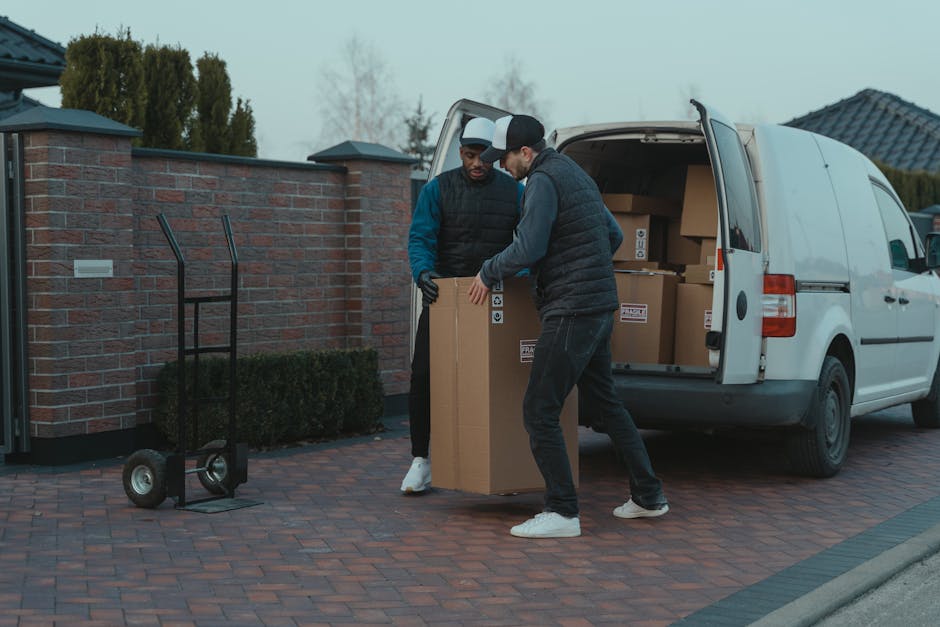
Our man with van in Stockwell service is built for practical moving tasks that need the right vehicle, careful handling and a straightforward approach. We help with home moves, furniture transport, single-item collections and other smaller removals where a full lorry is not necessary. The service is suitable when you want transport support, loading help and a clear plan for moving belongings between properties, storage or another agreed destination.
Stockwell is a busy South London area where routes, parking and access can all shape how a move is handled. That is why we focus on workable transport and sensible preparation rather than overcomplicated promises. We can support moves involving flats, maisonettes, shared homes and local business premises, with practical loading, safe carrying and organised vehicle space forming the basis of the job. If you need help moving a few items or a fuller load, start by looking at what needs to travel and then request a quotation when you are ready.
If your move also needs planning around timing, access or the contents themselves, the best first step is to list the main items and the collection and delivery points. That makes it easier to match the job to the right transport. You can also keep the enquiry simple by noting whether you need assistance with stairs, dismantling or delicate items. For a fuller overview of our moving support, see our removals page before you decide how much help you want.
Home moving support for local addresses
Many customers use a van-based move for properties that do not need a large-scale removals operation. We can support house moves and flat moves where the main task is to get belongings safely from one address to another without wasting vehicle space. That may include furniture, boxes, white goods and mixed household items, all arranged so the load travels securely and in the right order. The service can be adapted to the size of the job rather than forcing a one-size-fits-all moving plan.
For residential work, the aim is to keep the move organised from the first lift to the final delivery point. We pay attention to access, packing quality and where each item needs to go at the destination, which helps when the move includes awkward corridors or tight entrances. If you want to compare service options before enquiring, our home moves page gives a clearer picture of the kind of domestic moving support available. When you are ready, ask for a quote and we can help shape the job around the load.
Typical domestic moves handled by this sort of service include:
- small and medium household moves
- single-room or studio relocations
- furniture transfer between homes
- short-distance local moves with multiple boxes
Furniture transport and item collections

Not every booking is a full home move. Sometimes the task is simply to move one sofa, a dining table, a bed frame or several pieces bought separately. Our furniture transport support is aimed at that kind of work, with care taken over lifting, positioning and keeping the items protected during the journey. This is especially useful when the furniture has already been purchased, sold on or needs moving out of the way before decorating or refurbishment.
Where a single collection is involved, the job may be straightforward, but it still benefits from orderly handling. We can move items from homes, storage locations or agreed collection points and then place them where they are needed at the destination. If the load is mixed, it may be sensible to combine household pieces with boxes or smaller items so the transport is efficient. For more about this side of the work, see our furniture pick-up page.
Good furniture moves usually depend on three things: the item size, the access at each property and the protection used during transit. If doors are narrow or stairs are involved, the handling needs to be planned around those limits. That is why it helps to state whether items can be dismantled, whether they are heavy or whether they need careful placement at the other end. A clear outline of the furniture list makes quotation requests simpler and avoids unnecessary back-and-forth.
Packing help and organised loading
Some customers want transport only, while others need help getting the contents ready before the van leaves. Our packing and unpacking support is useful when the job would be easier with orderly boxing, safer wrapping or a better loading plan. This can reduce pressure on moving day, especially where fragile household items, books, kitchenware or mixed loose belongings need to travel without becoming disorganised in transit. It is a practical addition rather than an extra layer of unnecessary complication.
Well-packed items are easier to stack, move and deliver in good condition, so the packing stage has a direct effect on the moving stage. Boxes should be sensibly filled, heavier items kept manageable and fragile contents protected where needed. For customers who want to understand that service in more detail, our packing and unpacking services page explains how this kind of support fits into a move. If you only need transport, that is fine too; the service can stay limited to the work you actually require.
Useful preparation often comes down to a few practical points: separating items that travel together, securing loose parts, and keeping essentials accessible. Those steps make loading faster and reduce the chance of damage or delay. They also help when the destination has limited access or when several stops are involved. A short written list of the main items is usually enough to begin shaping the moving plan.
Commercial and office moves

We also support small commercial moves where a compact van-based service is more suitable than a large removals operation. That can include office furniture, filing, boxed equipment, archive materials and other business contents that need to move with care and minimal confusion. The objective is to keep the contents organised so the business can continue operating without unnecessary disruption. The work can be adapted to a single department, a small workspace or a fuller office relocation.
Commercial moves often depend on timing, access arrangements and how the contents are grouped. Some clients need a straightforward transfer of desks and chairs, while others need several stages involving boxed records, IT-related items and furniture. If you are comparing options for business premises, our office removals page is a useful place to look. For broader project support, the office relocation services page can help you see how a business move may be organised.
When planning a business move, the most helpful information is usually the number of items, the type of access at both ends and whether anything is especially bulky or sensitive. It is also useful to know whether the job needs early access, split deliveries or support with furniture placement on arrival. Careful planning matters because commercial content often has to be moved in a sequence that suits desks, storage and workstations rather than the reverse. A clear quotation request should reflect that sequence.
Choosing the right removals service
There are several ways to approach a move, and the right choice depends on load size, access and how much help you want at each stage. A man with van arrangement can be ideal for lighter moves, selected furniture collections or local relocation tasks, while a larger removal vehicle may suit a fuller household load. The point is not to overbuy capacity, but to choose transport that matches the work and keeps the move efficient.
If you are comparing wider moving options, it can help to look at the structure of the service pages rather than guessing from the name alone. Our man with van page covers the core service format, while the removal services page gives a broader overview of the kinds of moving support that may be available. That makes it easier to decide whether your job is a simple collection, a domestic move or something more involved.
Before you enquire, think about three things: the size of the load, the access at each address and whether the job includes any special handling. Those points usually determine whether a small van, a fuller moving vehicle or additional labour is the best fit. They also help keep quotations meaningful, because the work is being priced around the actual task rather than a vague description. If the load is awkward, mention that early; if it is simple, say so plainly.
About Stockwell
Stockwell is a district in South London, lying within the London Borough of Lambeth and closely connected with nearby Brixton, Clapham and Vauxhall. Its history is shaped by the growth of London’s transport network and the spread of suburban housing, with the area’s roads and rail links making it a familiar point of movement across the southern part of the city. Stockwell Underground station, on the Northern and Victoria lines, sits at the centre of that connectivity and has long made the area easy to reach from different directions. The neighbourhood’s built environment mixes terraced streets, later housing blocks and a number of smaller commercial frontages, giving it a varied urban character rather than a single architectural style. Within the wider area, Stockwell Memorial Gardens provides a green open space, while nearby streets lead towards larger South London landmarks and busy local high streets. The district also has strong cultural associations, especially through its diverse communities and the role of local markets, shops and services in everyday life. Like much of inner London, it reflects layers of change rather than one fixed period, with older residential fabric sitting alongside newer development and transport improvements. That combination of accessibility, housing variety and established street life has helped Stockwell remain a recognisable part of the capital’s inner south.
Practical moving and transport support in the area
A local van-based move is often a sensible option when the job does not call for a very large vehicle. For many households and small businesses, the task is simply to get items from one place to another with care, clear loading and sensible timing. If you want to discuss the contents in more detail, request a quotation once you know the main items and destination. We can then help you decide whether the load suits a smaller moving arrangement or something broader. For fuller guidance on the range of moving support, the removal company page may also be useful.
Service details for larger or more awkward loads

Some jobs are not especially large, but they are awkward enough to need careful handling. That might mean a heavy wardrobe, several dismantled pieces, a set of boxed belongings or a move involving stairs, narrow hallways or limited parking. In those situations, the value of a man with van service is in flexibility: it can be scaled to the job without treating every move as if it were a full-scale house clearance. The aim is to move the contents in an orderly, protected way.
For customers who want a broader understanding of what is available, our movers page sits alongside the more specific vehicle-based pages and can help you compare service style. If the job is more closely tied to a moving vehicle rather than a general removals package, the moving van page gives a direct view of that option. When a load includes multiple items of different shapes, the right packing order and lift sequence can make a real difference to the ease of the move.
It is useful to remember that not every move needs the same amount of labour. Some customers want transport only; others want items carried from door to van and van to room; others need a more managed approach because the contents include fragile items or pieces that need dismantling. The quotation should reflect the actual level of handling. If you are unsure what to include, keep it to the main loads, access issues and delivery point, then add any special notes that matter.
Pricing factors and quotation requests

Prices for moving work are usually shaped by a few basic factors: the amount of furniture or boxes, the distance between collection and delivery, the access at each end and whether the job needs extra handling. A small local collection is very different from a multi-stop move with stairs and a full van. That is why good quotations depend on a clear description of the task, not just a postcode or a guess at how long the job might take.
If you are requesting a quotation, the most useful details are the items to be moved, whether anything is bulky or fragile, and the collection and delivery arrangements. You do not need to over-explain the move, but you should give enough information for the work to be matched properly. Our pricing and quotes page is there for customers who want to see how quotation enquiries are handled before they make contact. Keep the enquiry focused and you will usually get a more helpful response.
When you are ready, make your enquiry and ask for a quotation. A concise request is often the easiest way to begin, especially if the job involves only a few key items or a local address change. If you have photos, measurements or a short inventory, they can help, but they are not the only way to describe the job. The most important thing is to state what needs moving and where it needs to go.
Helpful policies and service standards
Clear service standards matter because moving work often involves property access, physical handling and items that matter to the customer. For that reason, it can be sensible to read the supporting policy pages if you want to understand how enquiries, security and responsibility are addressed. The insurance and safety page explains the approach to protection and safe handling, while the health and safety policy sets out the wider safety framework behind the work.
There are also pages that explain how the business handles payment, privacy and complaints. Those are not part of the move itself, but they can be useful when you want a fuller picture of how the service operates. You can review the payment and security page alongside the privacy policy if those details matter to your enquiry, and the complaints procedure is available if you ever need to understand the next step after a service issue.
We aim to keep communication straightforward and the moving process practical. That means giving customers enough information to make a sensible decision without flooding them with unnecessary detail. If the job is straightforward, keep the request brief. If the move includes awkward items or a complicated access route, explain that clearly. Either way, a direct enquiry helps the job start on the right footing.
Further information and practical next steps
Some customers like to compare the core service pages before they decide exactly what to book. That can be helpful if you are weighing up a standard move against a more tailored arrangement, or if you are trying to see how a vehicle-based service differs from a broader removals package. The man and van removals page, the house removals page and the commercial moves page all give additional context on different kinds of moving work.
There are also pages for customers who want to understand the company-facing side of the business. If you are checking background information, the about us page provides general company information, while the recycling and sustainability page sets out a broader view of material handling and responsible disposal considerations. These pages are not necessary for every enquiry, but they can help if you are comparing service options carefully.
To get started, choose the service page that best matches your load, note the key details and then request a quotation in plain terms. If your move is modest, simple and local, say so. If it is more awkward, say that too. The clearer the description, the easier it is to align the moving arrangement with your needs and avoid unnecessary complications.